
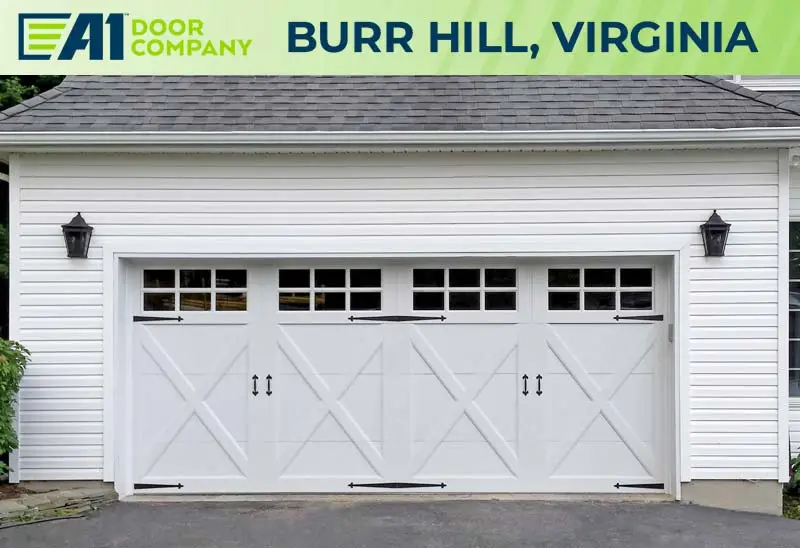
A garage door that won’t open or close properly can quickly turn a smooth day into a frustrating one. Whether it’s stuck halfway or not responding at all, opener issues are common—but they’re not always cause for panic. For Burr Hill homeowners, knowing what to check first can save time and effort. In many cases, the solution is simple and safe to handle yourself. Here’s a helpful guide to common garage door opener problems, along with tips on how to troubleshoot them before calling in outside help.
Check the Power Source First
It sounds obvious, but power disruptions are a leading cause of opener issues. Make sure the opener is securely plugged into a working outlet. Try resetting the circuit breaker if nothing happens. If your opener uses a backup battery, inspect it for wear, especially after storms or outages.
Inspect the Remote and Wall Switch
If the wall switch works but the remote doesn’t, the issue could be as simple as a dead battery. Replace it and test again. If neither the remote nor switch activates the door, your opener might have a wiring issue or internal fault. Also check the lock feature—some openers have a wall-mounted control that disables remote access when turned on.
Test the Door Balance
If the opener runs but the door struggles to lift, the problem may not be the opener itself. Disconnect the opener and manually lift the door. It should glide smoothly and stay halfway open on its own. If it slams shut or feels unusually heavy, the springs may need adjustment. In that case, it’s best to leave the repair to a trained technician.
Listen for Strange Sounds
Grinding, rattling, or humming sounds are early signs of wear. These noises can point to worn gears, misaligned tracks, or loose components in the opener system. A well-lubricated system should move smoothly and quietly. Catching these noises early helps prevent further damage.
Look at the Safety Sensors
Most openers come with safety sensors located near the bottom of the tracks. These sensors must be aligned and clean for the door to close. Wipe them gently with a soft cloth and confirm that both lights are steady and not blinking. If one is off or flashing, realign the sensors until they are level with each other.
Adjust the Opener’s Limit Settings
If your door opens or closes only partially, your opener’s limit settings may need adjustment. These controls tell the opener how far to move the door before stopping. Look for the limit screws on the side of your unit and make small turns while testing in between. Be patient, as over-adjustment can cause the opposite issue.
Check for Interference or Obstructions
Something as small as a fallen rake or a trash bin too close to the sensor path can stop your door from closing. Check the area around the tracks and clear any obstructions. If your door starts to close and then reverses, this is often the cause.
Know When to Call in a Pro
If you’ve gone through these steps and your garage door still won’t budge, or if the motor runs with no movement, it may be time for professional help. High-tension parts and electrical repairs should always be handled by someone trained in garage systems to avoid injury or further damage.
Understanding how your garage door opener works can help you catch small issues before they become big problems. For Burr Hill residents, these troubleshooting steps offer a simple way to regain control when your garage acts up. A little attention goes a long way in keeping your system dependable and safe, no matter the season.
If your opener still isn’t working as it should, it may be time for expert support.Contact A1 Door Company to schedule a service visit—our experienced team is here to help you restore safe and reliable garage access with confidence.
It's Easy To Book Online!



 Tap to Call
  Tap to Book!